The first hour after birth is one of the most powerful moments you'll ever experience.
Known as the Golden Hour, this uninterrupted time between you and your newborn sets the tone for connection, comfort, and healing.
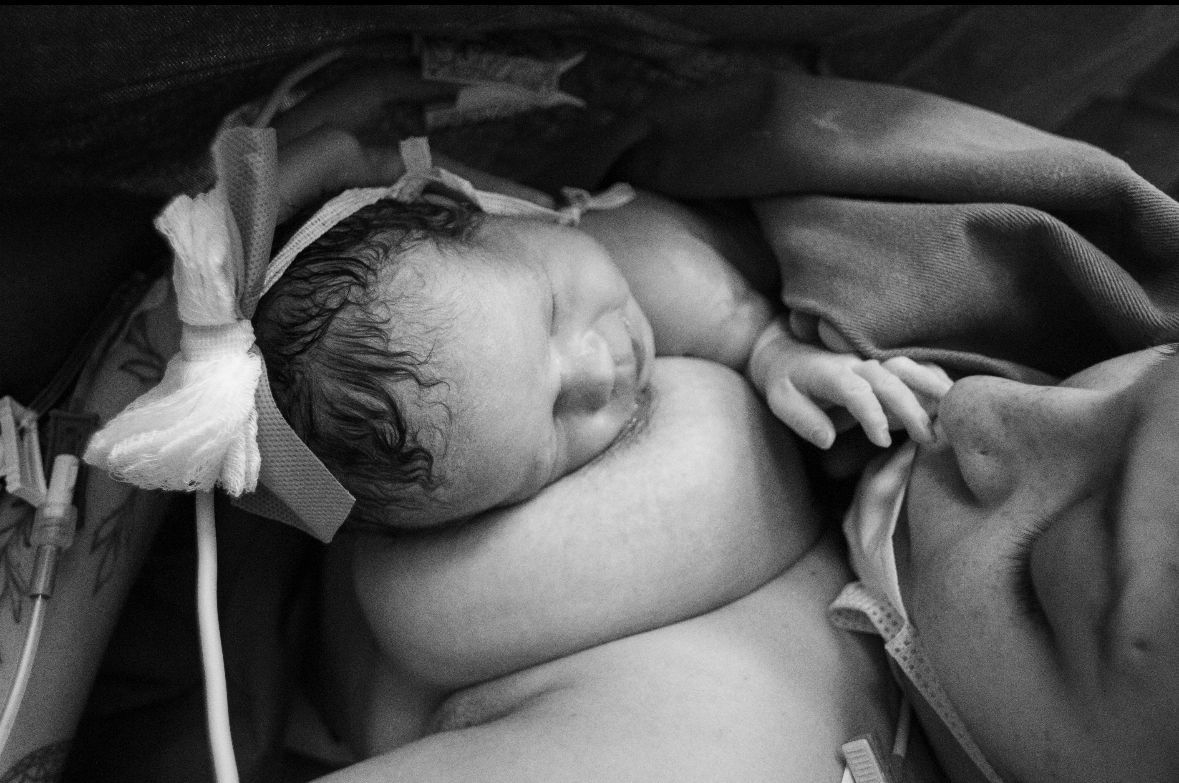
During this hour, your baby is placed on your bare chest for skin-to-skin contact.
This simple act provides a strong start for your baby's transition to life outside the womb, and supports your own emotional and physical recovery.
Whether you're preparing for a vaginal birth, cesarean, or still considering your options, learning about the Golden Hour can help you feel informed, empowered, and ready to ask for what you want during your birth experience.
What Is the Golden Hour After Birth?
The Golden Hour refers to the first 60 minutes after your baby is born.
It’s when your baby is placed directly on your bare chest with a warm blanket over both of you.
Ideally, this time is undisturbed, no weighing, bathing, or medical procedures unless medically necessary.
For your baby, this is their first moment in the outside world.
For you, it’s a quiet time to process what just happened, to breathe, and to connect.
Together, you begin adjusting to this brand-new relationship.
The Golden Hour isn’t just about being close, it’s about giving your baby the chance to feel safe, secure, and calm while supporting your body as it begins to recover from birth.
Why Is Skin-to-Skin Contact Important?
Skin-to-skin contact may look like a simple gesture, but it serves a wide range of purposes for both baby and parent.
It helps stabilize your baby’s vital signs, encourages early feeding behaviors, and supports emotional bonding right away.
For Your Baby
1.Regulates Body Temperature
Newborns lose heat quickly after birth.
Your body acts like a natural warmer, keeping their temperature stable in a way blankets and incubators often can’t match.
This warmth helps your baby conserve energy and focus on feeding and bonding.
2. Supports Stable Breathing and Heart Rate
Being close to your chest helps regulate your baby’s heartbeat and breathing.
Your steady rhythm is familiar,it’s the same one they heard for months in the womb, and it gently guides their new system into a balanced state.
3. Lowers Stress and Crying
The transition from womb to world is a big one.
Skin-to-skin contact helps your baby stay calm, often leading to less crying.
The gentle pressure of your body, the sound of your heartbeat, and the comfort of your scent provide reassurance.
4. Encourages Feeding Instincts
Babies are born with a set of reflexes that help them find and latch onto the breast.
The Golden Hour allows these reflexes to work naturally, setting the stage for early feeding without pressure or force.
5. Fosters Early Brain Development
Warmth, touch, and calm environments stimulate healthy brain activity.
The hormones released during skin-to-skin contact help shape your baby’s early brain wiring, especially those tied to trust, safety, and human connection.
For You
1. Stimulates Oxytocin Production
Oxytocin is often called the “love hormone.” It helps your uterus contract after birth, reducing the risk of postpartum bleeding.
It also promotes emotional bonding and increases your feeling of connection and love for your baby.
2. Encourages Milk Let-Down and Supply
Your baby’s closeness and early suckling stimulate prolactin, the hormone responsible for milk production.
This gentle start supports a more successful breastfeeding journey in the days and weeks to come.
3. Reduces Anxiety and Supports Emotional Recovery
Birth is intense.
Whether vaginal or cesarean.
Skin-to-skin time helps lower stress hormones like cortisol and increase calming chemicals like oxytocin and endorphins.
You may feel more grounded, safe, and emotionally connected, even after a difficult labor.
4. Strengthens Your Confidence
The Golden Hour can help you feel more confident in your ability to care for your baby.
Holding them, watching them feed, and responding to their cues all begin in this first hour, and they shape your sense of readiness and competence as a parent.
How the Golden Hour Supports Breastfeeding
Your baby is born with instincts to breastfeed.
When placed on your chest, most babies will naturally begin a sequence of actions that help them latch without intervention.
This is often referred to as the breast crawl, and it unfolds over time if given the chance.
You might see your baby:
Cry briefly (to expand their lungs)
Open their eyes and scan their surroundings
Make small movements toward your chest
Use their hands and mouth to find the nipple
Latch and begin to suckle
This process can take 20 to 60 minutes.
There’s no need to rush or guide it.
Allowing your baby to take the lead supports better latch, longer feeding sessions, and a smoother breastfeeding experience overall.
Even if your baby doesn’t latch right away, simply being close helps your milk supply get off to a strong start.
Can You Have the Golden Hour After a Cesarean?
Yes, you can. The Golden Hour isn’t only for vaginal births.
Many hospitals now support immediate skin-to-skin contact during or right after a cesarean, as long as both you and your baby are stable.
You may be able to hold your baby in the operating room, or soon after in the recovery area.
Your care team can help position the baby on your chest while keeping surgical needs in mind.
If you’re not able to hold your baby right away, your partner or support person can step in to provide skin-to-skin until you’re ready.
Their contact helps keep your baby warm, calm, and connected while you recover.
The key is advocating for this ahead of time and asking how your birth team supports skin-to-skin during cesarean births.
What If Skin-to-Skin Is Delayed?
Sometimes unexpected things happen.
If you or your baby need medical care right away, skin-to-skin contact may be delayed.
That’s okay.
You can still benefit from the Golden Hour, even if it starts later.
Ask to hold your baby as soon as it’s safe
Delay non-urgent tasks like weighing, bathing, or measuring
Keep your baby close during feedings or rest
Make time for skin-to-skin in the hours and days that follow
Even short or delayed sessions can improve bonding, help regulate your baby’s body, and support your own healing process.
How to Prepare for the Golden Hour
You can set the stage for a calm, uninterrupted Golden Hour by planning ahead.
Here’s how to prepare:
Talk to your care provider during prenatal visits about your wishes for skin-to-skin time.
Include the Golden Hour clearly in your written birth plan.
Ask your hospital or birth center about their policies for skin-to-skin after vaginal and cesarean births.
Let your support person or doula know your preferences and ask them to help advocate for you during labor.
Request that newborn procedures (like bathing, weighing, and shots) be postponed if baby is healthy.
Preparation helps you feel confident and increases the chances that your preferences will be honored during those first precious moments.
Tips to Make the Most of Skin-to-Skin Time
The goal is to create a safe, warm, and quiet space for you and your baby to bond.
Here are some tips to help:
• Remove any clothing from your chest and place your baby directly on your skin
• Use a warm blanket to cover both of you
• Keep the lights low and the noise level soft
• Avoid dressing, swaddling, or bathing your baby right away
• Let feeding unfold naturally, don’t rush it
• Rest your body and focus only on your baby during this time
Once the Golden Hour has passed, try to continue skin-to-skin throughout the first few days and weeks. It supports feeding, bonding, and emotional recovery for both of you.
What Partners Can Do During the Golden Hour
The Golden Hour is also a special time for your partner or support person to connect with your baby and support you.
They can:
- Offer skin-to-skin contact if the birthing parent is unavailable
- Help keep the room quiet and comfortable
- Gently soothe and talk to the baby
- Provide water, snacks, or comfort for the birthing parent
- Advocate for uninterrupted bonding time with medical staff
- Begin building their own bond with the baby
This time isn’t only about feeding, it’s about connection for everyone.
How the Golden Hour Supports Postpartum Recovery
The Golden Hour can ease your physical and emotional transition into the postpartum period.
Here’s how it helps:
- Uterine contractions: Oxytocin released during skin-to-skin helps your uterus shrink back down and reduces bleeding.
- Milk production: Early feeding triggers hormonal responses that help build and maintain your milk supply.
- Stress relief: Holding your baby helps lower adrenaline and cortisol while boosting calming hormones.
- Emotional healing: Whether your birth went as planned or not, the Golden Hour can help you feel grounded, connected, and present.
- It gives you space to slow down, breathe, and welcome your baby into your life in the most natural way possible.
Common Questions About the Golden Hour
Do I need to hold my baby the entire hour?
Ideally, yes but even partial skin-to-skin time is beneficial. You can pause to rest and resume when you're ready.
Can my baby still go skin-to-skin if they’re swaddled?
Skin-to-skin works best when both you and your baby are undressed chest-to-chest, covered only by a blanket.
Swaddling can wait.
Is it safe to sleep during skin-to-skin?
If you feel very tired, ask someone to stay nearby.
Your partner or doula can help you rest while keeping baby secure.
Does skin-to-skin have to happen only once?
No. Skin-to-skin can continue after the Golden Hour—throughout your hospital stay and at home. The benefits build over time.
Planning Your Birth Around the Golden Hour
The Golden Hour sets the tone for the hours, days, and weeks that follow. When you plan ahead and ask for what matters to you, you create space for a more connected and supported start to parenthood.
You don’t have to do it alone. A postpartum doula can help you prepare, advocate for your preferences, and support your recovery after birth. Whether you’re navigating breastfeeding, emotional healing, or newborn care, having someone by your side can make all the difference.
Want Support for Your Golden Hour and Beyond?
Whether you’re getting ready for birth or already planning your postpartum care, I’m here to help.
Together, we can build a birth and postpartum experience that honors your values, supports your healing, and strengthens your connection with your baby.
➡️ Book a free discovery call
➡️ Explore postpartum doula services
➡️ Create a baby registry that includes services and support, not just stuff.